



SEO rarely relies on a single tool. Growth is based on systematic work with the profile, internal optimization, and site structure. In this case study, we will analyze how massive TIER links helped an online store in Ukraine accelerate its dynamics and increase search traffic without sharp spikes.
The project is commercial, with a wide assortment and strong competition in search results. The niche is medium-frequency and partly high-frequency. Before the campaign started, the site already had a basic backlink profile, but growth was slow and uneven. The goal was clear: strengthen the already placed links and push positions in competitive categories.
For implementation, the Links Boosters service and the maximum TIER package “100K + 200K + 300K + 400K” costing $380 were selected.
What Are TIER Links and How They Work
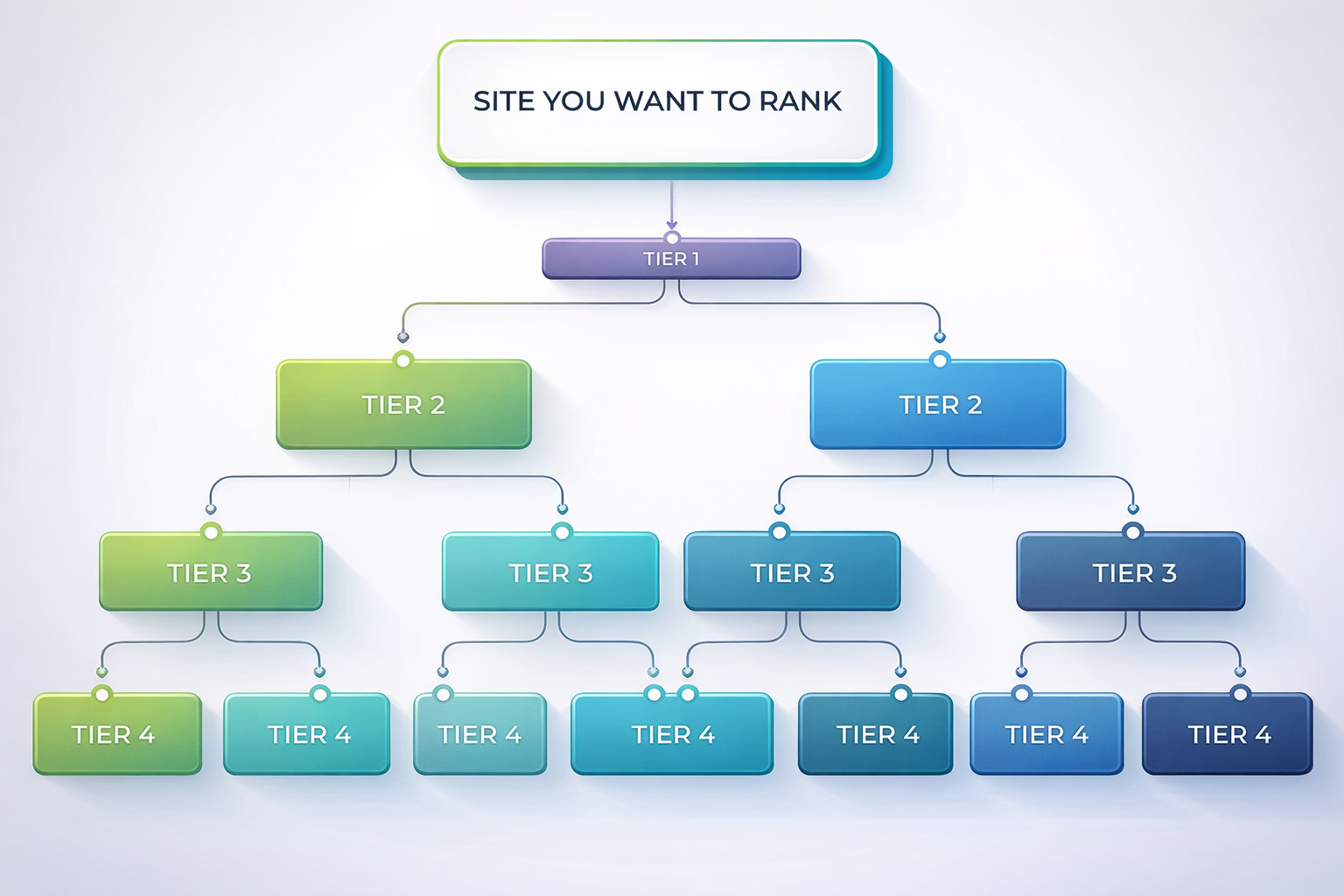
TIER is a multi-level reinforcement scheme. The idea is that links are placed not only to the website itself, but also to already existing placements. As a result, a cascading structure is created.
The principle is simple:
- first level – links to the promoted resource or to PBN placements;
- second level – links to the links of the first level;
- third and fourth levels – strengthening of the previous layers.
Such architecture distributes link weight gradually and forms a natural growth dynamic. Search engines see movement, indexing accelerates, and trust in already published materials increases.
Before using TIER, it is important that the first level looks organic. In our case, the base already existed: part of the crowd links, several PBN placements, and natural mentions.
After preparation, scaling began.
About the Project
The online store operates across Ukraine. The catalog includes several hundred product positions. The main traffic comes from organic search. Promotion was carried out for commercial queries related to categories and product pages.
At the time of the start:
- domain age – more than 2 years;
- stable indexing;
- backlink profile – about 300 referring domains;
- average monthly organic traffic – approximately 9–11 thousand visits;
- positions for some keywords – in the range of 12–25.
Visibility existed, but the growth potential remained. At this point, the decision was made to strengthen the structure through multi-level links.
Why the “100K + 200K + 300K + 400K” Package Was Chosen
The maximum package allows building a deep cascading network. First, the initial mass is formed, then it is strengthened by the second, third, and fourth levels.
The sequence looked like this:
- 100,000 links were directed to the first layer.
- Then 200,000 were directed to the first level.
- Next, 300,000 were directed to the second level.
- And the final block of 400,000 was directed to the third level.
Before launching, anchors, dilution, and URL distribution were analyzed. The main focus was placed on non-anchor formats and branded variations. This helped maintain a natural profile.
After approval, the phased implementation began.
How the Link Placement Was Carried Out
The work took several weeks. Mass publication did not look like a single sudden spike. The link mass was distributed smoothly.
During the process:
- the indexing of the first level was checked;
- the appearance of new pages in the cache was tracked;
- dynamics in Google Search Console were monitored;
- positions for priority clusters were monitored.
The first signals did not appear immediately. During the first three weeks, no sharp changes were observed. This is expected, since a cascading structure needs time.
After all stages were completed, gradual growth began.
Dynamics: Before and After
Approximately 4–6 weeks later, noticeable changes appeared. In several categories, positions moved from 18–20 to the range of 8–12. Some low-frequency queries reached the top 5.
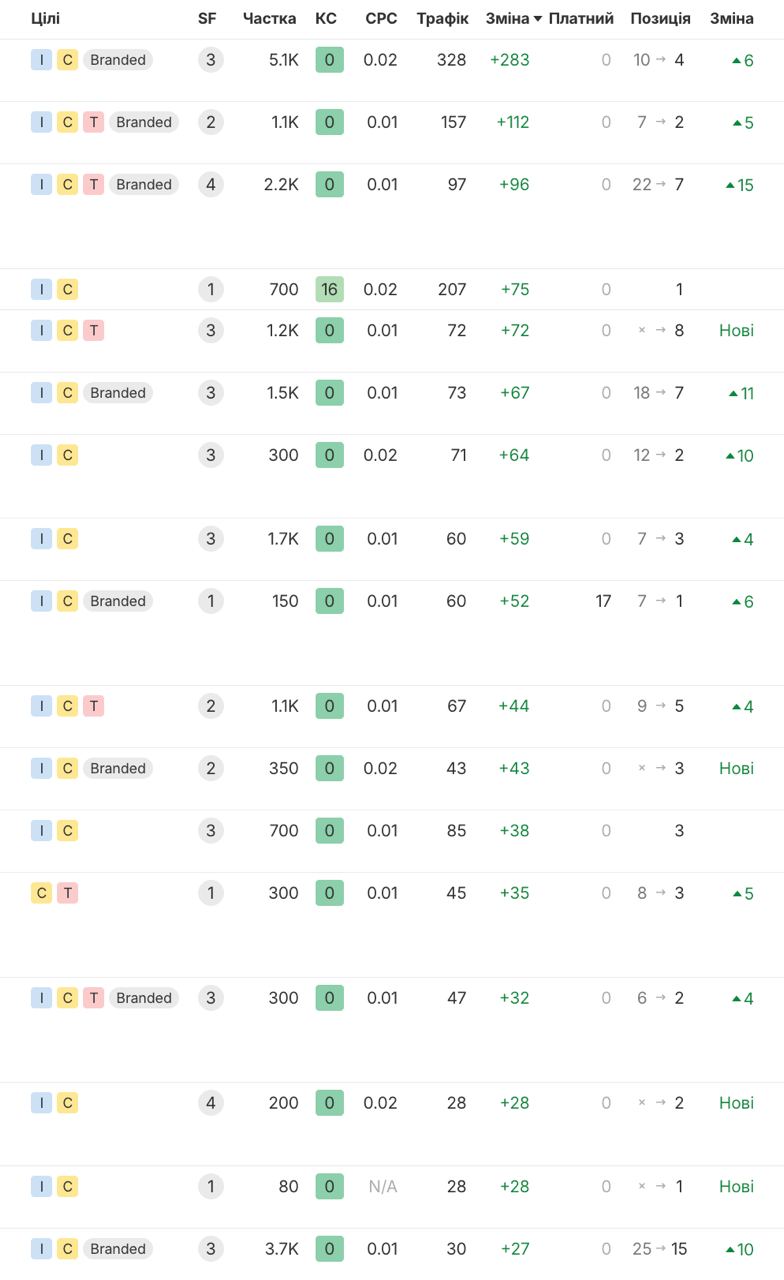
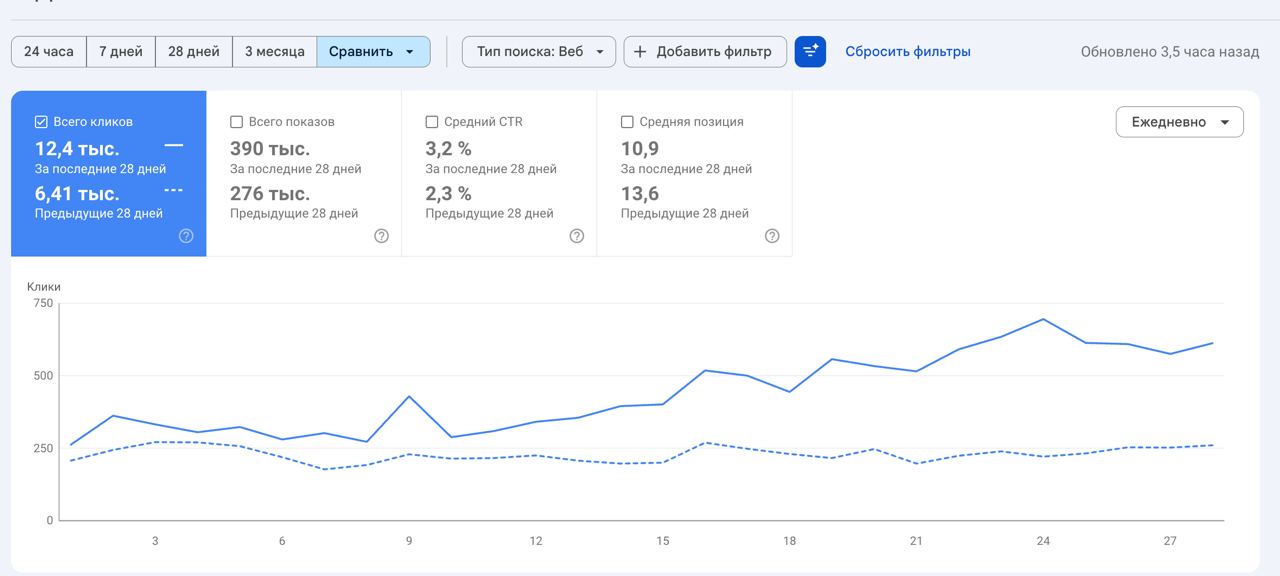
Within 1–1.5 months after the completion of link placement:
- impressions increased by approximately 35–45%;
- clicks increased by 28–40%;
- several categories secured positions in the top ten;
- indexing of new product pages accelerated.
This was especially noticeable in commercial sections where competition previously prevented ranking above the second page.
An additional effect was the strengthening of already existing PBN placements. They began transferring more weight, which positively affected the distribution of positions within the catalog.
What Influenced the Result
It is important to understand that the TIER structure strengthens rather than replaces basic optimization. In our case, the project already had:
- correct internal linking;
- optimized meta tags;
- a logical category structure;
- a responsive version of the website.
Without this, the effect might not have occurred. The multi-level strategy became an accelerator rather than an independent foundation.
Anchor distribution also played a role. We avoided commercial over-optimization and focused on natural wording.
After the campaign was completed, moderate growth of crowd links continued to maintain the dynamics.
Final Result After Three Months
Three months after the project launch:
- overall organic traffic increased by approximately 50%;
- the share of queries in the top 10 increased;
- the average position improved;
- page depth increased due to expanded visibility.
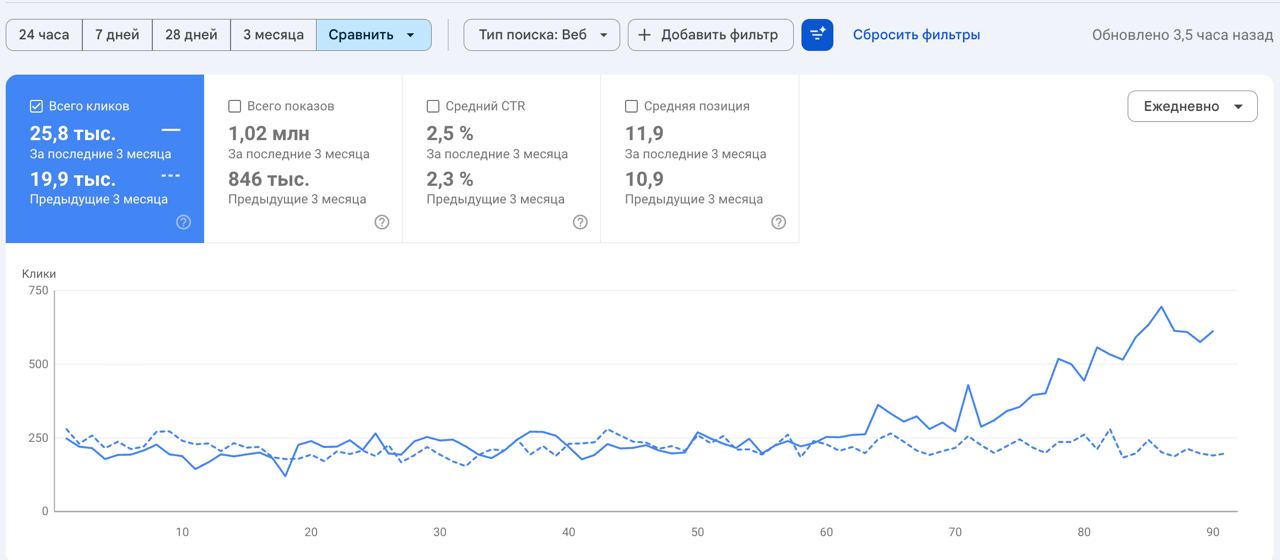
The TIER package “100K + 200K + 300K + 400K” for $380 proved to be a scaling tool. It is suitable for projects that already have a base and require reinforcement.
When This Strategy Should Be Used
A multi-level scheme is appropriate if:
- the website is not new and has a history;
- PBN or crowd links have already been placed;
- it is necessary to accelerate entry into the top positions;
- the niche is competitive.
Before launching, it is advisable to conduct a backlink profile audit and assess potential risks. Large-scale implementation requires accuracy.
Conclusion
TIER links are a way to create multi-layer support for an existing profile. With proper distribution and control, they provide a noticeable increase in visibility and clicks.
In the case of the online store in Ukraine, growth began 1–1.5 months after the completion of link placement and stabilized during the following quarter. Without sharp fluctuations and without drops.
With a systematic approach and the right strategy, this format becomes an effective scaling tool.